




IUI Treatment
Intrauterine Insemination (IUI), also known as artificial insemination, is a fertility treatment that places prepared sperm directly into the uterus around the time of ovulation. IUI treatment is a simpler, less invasive and more affordable option, offering a natural first step, before considering more involved treatments such as IVF if necessary.
What is IUI treatment?
IUI treatment involves placing prepared sperm from a partner or donor directly into the uterus of the woman at the time of ovulation to improve the chances of conceiving. It is often recommended for those experiencing fertility challenges such as unexplained infertility, mild male factor infertility and difficulty with sexual intercourse. IUI may also be recommended for those using donor sperm.
The procedure usually only takes a few minutes, it is similar to a pap smear and most patients are able to return to their regular activities afterwards. Some patients may experience temporary mild cramping or discomfort during or shortly after the procedure.
How does IUI work?
IUI is a simple, low-intervention treatment which can be performed in a natural cycle, where insemination is timed with your natural ovulation, or in a stimulated cycle, where medication helps ensure a mature egg is released. Your fertility specialist will recommend an approach based on your individual needs and our team will guide you through each step.

Step 1. Preparing for Treatment
Before starting IUI, our team will confirm that we have your GP referral, consent forms and required screening results. Our nurses will also provide any pathology or ultrasound request forms and explain how to access your medications, if needed.
Your treatment cycle begins on the first day of your period. Please let our nursing team know when your period starts so they can advise you on the next steps.

Step 2. Ovarian Stimulation
Some women may be prescribed fertility medication, such as Letrozole or Follicle Stimulating Hormone (FSH), to encourage follicle growth and ovulation.
Other women may ovulate naturally without medication. Depending on your response, you may also need a trigger injection containing human chorionic gonadotropin (hCG) to help time ovulation before the IUI procedure.

Step 3. Monitoring
Around days 8 to 10 of your cycle, you'll be asked to take a blood test to check your hormone levels. These tests measure oestrogen, progesterone and luteinising hormone (LH) to help determine when you're likely to ovulate.
You may also need a transvaginal ultrasound to check your uterine lining and monitor follicle development. Our team will monitor you throughout this stage and will let you know when you are ready for your IUI procedure.
Step 4. Sperm Collection
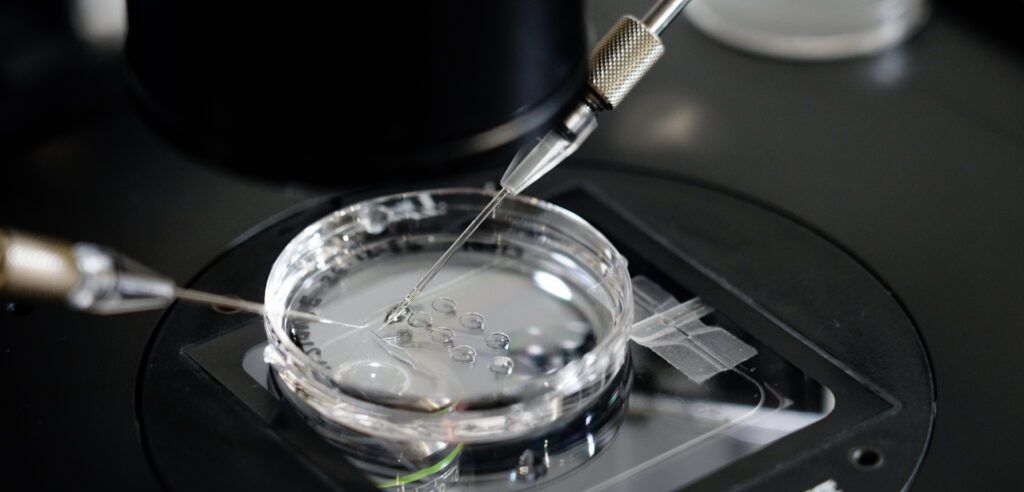
On the day of the IUI procedure, a semen sample is collected and prepared by our embryologists. If using frozen sperm from a partner or sperm donor, the sperm will be thawed.
The sperm sample is washed and prepared for insemination. Once preparation is complete, the sperm is ready to be placed into your uterus.
Step 5. IUI Procedure
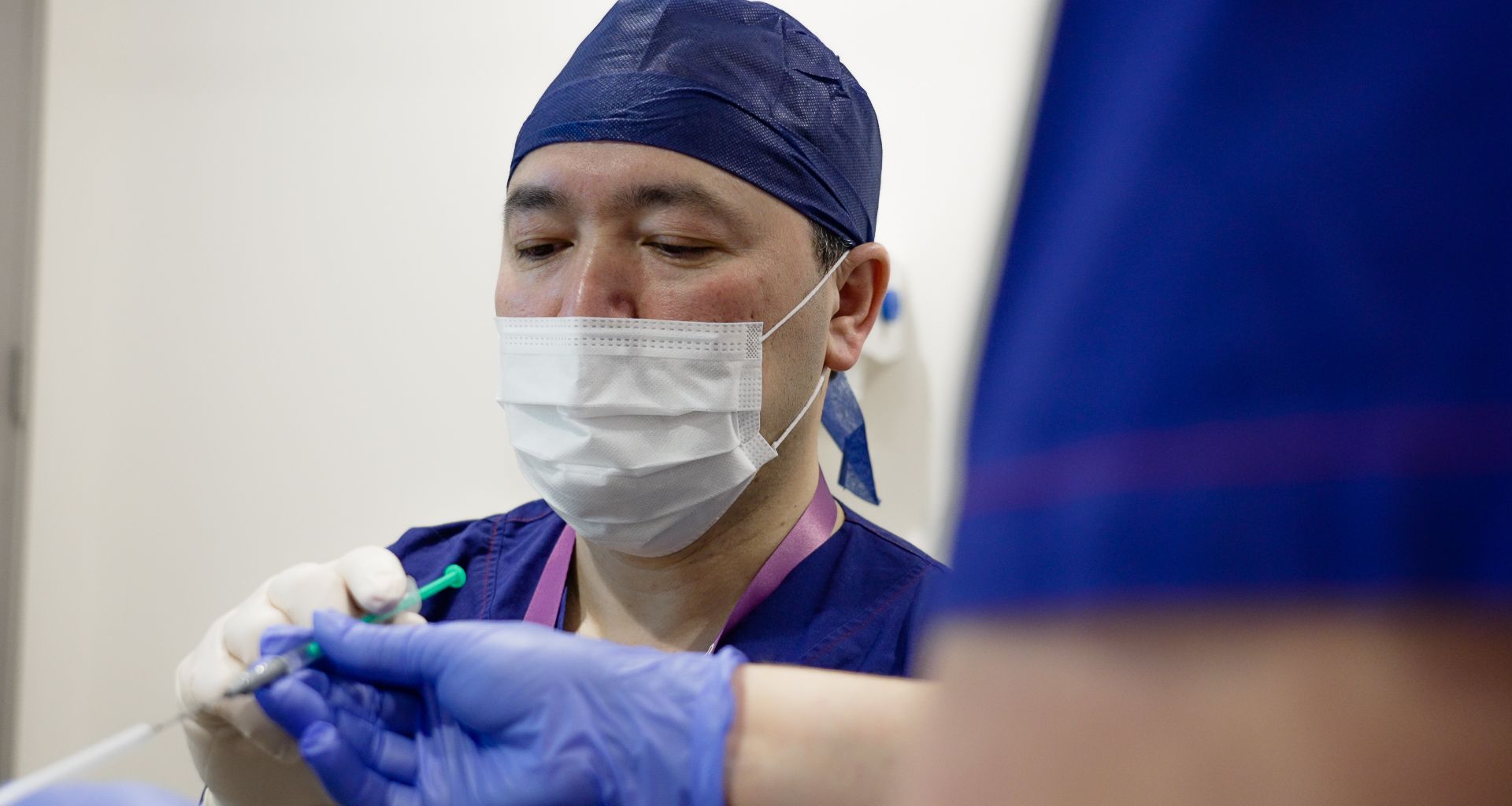
The IUI procedure is similar to having a Pap smear and does not require an anaesthetic. Your fertility specialist will insert a speculum into your vagina before gently placing the prepared sperm directly into your uterus using a fine catheter.
Following the procedure, most patients can return to their normal activities. Our team will advise if you need to continue any medications or use progesterone supplementation.

Step 6. Pregnancy Test
Approximately 10 to 14 days after your IUI procedure, you'll have a blood test to check for pregnancy. This measures beta-hCG, a hormone produced during pregnancy.
Many people find this wait the most difficult time to endure. While it can be filled with hope and excitement, it can also be filled with anxiety. We encourage you to keep busy, eat well and stay hydrated. We will let you know when to have the pregnancy blood test and will talk you through the result and next steps.
Who is IUI suitable for?
Whether IUI is a suitable treatment for you depends on a number of factors. Your fertility specialist will be the best person to guide you on the treatment option most suitable to you.
IUI may be recommended for people experiencing:
- Difficulties with sexual intercourse
- Ovulation problems
- Unexplained infertility
- Mild endometriosis
- Mild male factor infertility
IUI can also be used with donor sperm and is suitable for same sex female couples and single women. Treatment using donor sperm is available through our donor program.
Risks of IUI treatment
As with any fertility treatment, there are potential risks associated with IUI treatment. Although rare, these include:
- Multiple pregnancies due to more than one egg follicle developing
- Ovarian hyperstimulation syndrome (OHSS)
- Premature ovulation, when the timing of insemination may no longer align with ovulation
If more than one egg follicle develops or if premature ovulation occurs before the planned insemination, then the IUI cycle may need to be cancelled.
IUI treatment cost in Australia
One of the most common questions patients ask is how much IUI treatment costs in Australia. At Adora Fertility, the approximate out-of-pocket cost for IUI treatment is $1,398 for Medicare-eligible patients.
Your Medicare eligibility and Medicare Safety Net status may also affect your out-of-pocket costs.
For the latest pricing information, including treatment fees by state, view our fertility treatment costs or speak with our team if you need a detailed breakdown of the costs that may apply to you.
IUI vs IVF
IUI and IVF treatment are two types of assisted reproductive technologies used to help people conceive. The key difference between the two is where the fertilisation takes place. With IUI treatment, prepared sperm is placed directly into the uterus around the time of ovulation, with fertilisation occurring naturally inside the body. During IVF treatment, eggs are collected and fertilised with sperm in a laboratory before an embryo is transferred to the uterus.
Your fertility specialist will recommend the most appropriate treatment based on factors such as the cause of infertility, your age, ovarian reserve and your medical history.
IUI Treatment | IVF Treatment |
|---|---|
| Prepared sperm is placed directly into the uterus to fertilise eggs inside the body. | Prepared sperm and eggs are placed in the culture dish in the lab to fertilise eggs outside the body. |
| Involves only one procedure. | Involves two procedures - egg collection and embryo transfer. |
| Less invasive procedure, no anaesthetic required. | More involved procedure involving an egg collection under heavy sedation. |
| Lower treatment costs (approx $1,400 at Adora) | Higher treatment costs (approx $2,500 at Adora) |
FAQs
IUI and IVF are both fertility treatments, but they involve different processes. These treatments differ in where the fertilisation takes place. With IUI, prepared sperm is placed into the uterus around the time of ovulation, allowing fertilisation to occur naturally inside the body. With IVF, eggs are collected and fertilised in a laboratory before an embryo is transferred to the uterus. Your fertility specialist will recommend the most appropriate treatment based on your individual circumstances.
How long it takes to get pregnant with IUI treatment varies from person to person. A single IUI cycle takes around 2- 4 weeks from cycle monitoring to the pregnancy blood test.
Studies show that most pregnancies from IUI occur within the first four cycles (PubMed). Other data covering more than 15,000 cycles shows pregnancy rates of around 18% by the third cycle and about 30% by the seventh (PubMed). This means the chance of pregnancy increases when cycles are considered together over time, rather than one cycle alone.
Because of this, many people try three to four IUI cycles before moving on to treatments such as IVF. If pregnancy hasn’t happened, your Fertility Specialist will discuss whether continuing IUI or moving on to IVF may offer a higher chance of success.
At Adora Fertility, the approximate out-of-pocket cost for IUI treatment is $1,398 for Medicare-eligible patients.
For the latest pricing information, including treatment fees by state, visit our fertility treatment costs page. If you have questions about the costs that may apply to you, our team can help explain your treatment options and expected fees before you begin.
IUI success rates vary from person to person and depend on several factors. Generally speaking, the IUI success rate is around 5-20% per cycle, depending on your age, ovarian reserve, sperm quality (partner or donor) and the reason for treatment.
Research shows that IUI tends to work best for people with ovulation problems or unexplained infertility, and it is less effective when there are tubal blockages or advanced endometriosis (PubMed). Age is also a factor in IUI success rates. As maternal and paternal age increases, the chance of pregnancy tends to decline, with women over 40 experiencing lower per-cycle success (PubMed).
Studies also show when IUI is most likely to work. Up to 95% of IUI pregnancies occur within the first three cycles, and up to 98% within four cycles (PubMed).
The Fertility Society of Australia and New Zealand notes that IUI generally has a lower success rate per treatment cycle than IVF. However, IUI is less invasive than IVF and may be an appropriate treatment option for some patients.
Yes. IUI is commonly used by single women, same-sex female couples and LGBTQ+ couples who require donor sperm to conceive. It is a straightforward and inclusive treatment option.
For people using donor sperm, Australian fertility clinics must follow requirements for donor screening, counselling and consent. Subject to the regulations in your state or territory, you may be able to use de-identified donor sperm from an approved donor bank, imported donor sperm from an international donor bank or a known donor who meets the eligibility requirements, and completes the appropriate health checks and counselling.
IUI with donor sperm can be performed during a natural or stimulated treatment cycle. Your fertility specialist can guide you through the treatment process. If using donor sperm, you can learn more about Adora Fertility's donor program as you plan your fertility treatment.
IUI is a common and low risk fertility treatment. Serious complications are rare. Things to consider:
- The IUI success rate per treatment cycle is lower than that of IVF.
- You may need more than one treatment cycle to achieve pregnancy.
- Side effects from ovulation stimulation medication, if prescribed, may include bloating or mood changes.
- There is the chance of mild spotting after the procedure.
- The chance of cancellation of the treatment cycle if more than one follicle develops or ovulation occurs earlier than expected.
Some people also find the two-week wait between treatment and the pregnancy blood test emotionally challenging, particularly if more than one cycle is required. If you would like additional support during this time, you can read our guide to the two-week wait.
The number of IUI cycles you should try varies for each individual. Your fertility specialist will review your response to treatment and will be happy to discuss whether continuing IUI treatment or moving to IVF treatment is the most appropriate next step for you.