



Frozen Embryo Transfer
If you have frozen embryos from a previous fresh IVF cycle, a frozen embryo transfer (FET) allows you to use them in a future attempt at pregnancy without undergoing another egg collection.
What is a Frozen Embryo Transfer?
A frozen embryo transfer (FET) involves thawing an embryo created and frozen during a previous fresh IVF treatment or ICSI treatment cycle. The embryo is thawed in the lab in preparation for an embryo transfer which involves placing the embryo into your uterus to achieve pregnancy. Since the embryo has already been created, you won't need another round of ovarian stimulation or to undertake another egg collection.
Your fertility specialist may recommend you undertake a frozen embryo cycle on your natural cycle, by using hormone preparation or through ovulation induction.
A frozen embryo transfer can be undertaken using frozen embryos or frozen eggs which are thawed and fertilised with sperm prior to the embryo transfer.
What does a Frozen Embryo Transfer involve?
Embryo Freezing
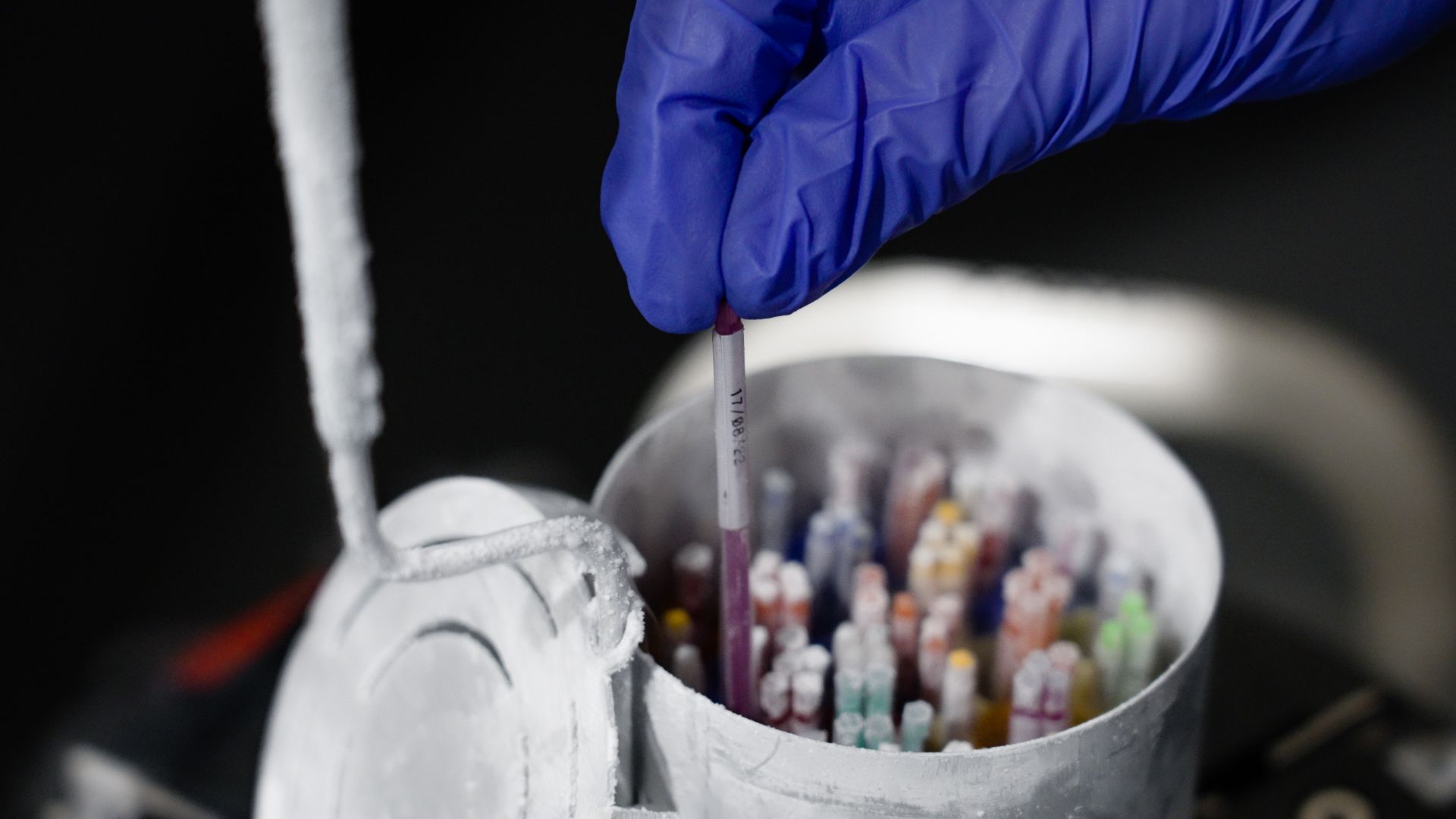
At Adora Fertility, embryos are typically frozen five or six days after the egg collection. Embryos will only be frozen if they have reached the right stage of development, are believed to be of sufficient quality to survive the freezing and thawing process and have the potential to form a pregnancy. Not every cycle will produce embryos suitable for freezing and it is possible some (or all) of the frozen embryos, will not survive the freezing and thawing process. Embryos are frozen using vitrification and can remain in storage for up to five years.

Monitoring Your Cycle
In preparation for your frozen embryo transfer, we will request blood tests and ultrasounds to track your hormone levels and the thickness of your uterine lining. Our goal is to schedule the embryo transfer at the optimal time, to give you the best chance of success. Your fertility specialist and nursing team will monitor your cycle and inform you when you’re ready for your embryo transfer.

Embryo Transfer
On the day of embryo transfer, one of our highly trained embryologists will thaw your embryo in the laboratory. Thawing reverses the vitrification process, warming the embryo so it can rehydrate and recover before it is transferred. In some cases, an embryo may not survive the thawing process. At Adora Fertility, the embryo survival rate is over 95%. If there is a problem with your embryo during the thawing process, our team will contact you.
The embryo transfer procedure is performed by one of our fertility specialists. The procedure is generally brief, similar to a pap smear, and does not usually require an anaesthetic. At the embryo transfer procedure, your fertility specialist will carefully place the embryo into the uterus using a thin catheter passed through the cervix.

Follow Up
After your frozen embryo transfer, your nursing team will advise you on which medications to continue to take and when your pregnancy blood test is due. You will usually continue this medication until the outcome of your cycle is known.

Pregnancy Test
Approximately 10 to 14 days after your FET procedure, you'll have a blood test to check for pregnancy. The blood test measures your beta-hCG, a hormone produced during pregnancy. We understand that waiting for your pregnancy test results can be difficult. Please do reach out to us if you need, as we are here to support you.
If your test is positive, we may ask you to repeat the test to check that your hormone levels are rising appropriately before arranging an ultrasound. Regardless of the outcome of your pregnancy test, our team will be on hand to discuss next steps.
IVF Frozen Embryo Transfer Timeline
A frozen embryo transfer cycle starts with monitoring and tracking of your cycle and using hormones to prepare the lining of the uterus. Timings will vary and your fertility specialist will guide you on the best time to have your embryo transfer which is approximately two weeks from the start of your cycle.
On the day of your transfer, your embryo will be thawed and transferred into the uterus. After your transfer, you will continue any medication you have been prescribed, including progesterone where required. Your nursing team will advise you on when to do a pregnancy blood test, usually performed around 11 days after embryo transfer.
Natural vs Medicated FET Cycle
In a natural FET cycle, we rely on natural ovulation to produce the hormones needed to support a pregnancy. Natural cycles are more suited to women who ovulate regularly.
In a medicated FET cycle, hormone medications are used to prepare and maintain the uterine lining, providing more control over the timing of the transfer. This may be recommended when cycles are irregular or unpredictable.
A study found insufficient evidence to recommend one approach over another for women with regular ovulatory cycles. Your fertility specialist will recommend the approach that suits you best.
Frozen Embryo Transfer Success Rates
Frozen embryo transfer success rates depend on a range of factors including the age at which your eggs were collected and the quality of the embryo. Your uterine lining and overall reproductive health also play an important role.
The latest Australian and New Zealand Assisted Reproduction Database (ANZARD) report found that 33.5% of autologous frozen/thaw cycles that reached embryo transfer resulted in a live birth in 2024. Outcomes varied with age. The live birth rate per frozen embryo transfer was 41.1% for women aged under 30 at the start of the thaw cycle and 23.2% for women aged 40 to 44.
These national figures provide useful context, but they do not predict an individual outcome. Your fertility specialist can explain how the factors relevant to you may affect your chances of success. You can also view Adora Fertility's success rates.
Frozen Embryo Transfer Cost in Australia
At Adora Fertility, we bulk bill the majority of Medicare-eligible expenses associated with fertility treatment, which reduces out-of-pocket costs for eligible patients. A frozen embryo transfer cycle at Adora Fertility costs $1,254 out of pocket.
You can view our current treatment costs or speak with our team for a clearer understanding of the costs applicable to you.
FAQs
Both frozen and fresh embryo transfers can be successful. To choose the best option for you, your fertility specialist will consider a range of factors and review your individual circumstances.
Latest data from the Assisted Reproductive Technology in Australia and New Zealand Report 2023 (NPESU, UNSW Sydney) shows that frozen embryo transfers have higher success rates - 33% live-birth rates compared to just over 25% for fresh transfers, when both types reached embryo transfer stage.
The report also found that around 70% of all Australian babies born through fertility treatment in 2023 were from frozen embryo transfers, reflecting how widely this approach is now used.
There are several reasons why frozen transfers may show higher success rates overall, for example, they can be scheduled when the uterine lining is at its most receptive, or after hormone levels from stimulation have settled.
However, fresh transfers can be just as effective for many patients, particularly when embryo quality and lining thickness are already optimal.
Factors such as embryo quality, uterine lining and the timing of transfer all play a major role in success rates for both fresh and frozen cycles. Your fertility specialist will explain the differences and recommend the approach that best supports your diagnosis, treatment and timing.
Although 95% of embryos survive the freezing and warming process, there is a small risk that not all embryos will survive.
Although a frozen embryo transfer (FET) uses embryos created in an earlier cycle - making it generally simpler and less physically demanding than a full IVF cycle - it’s still important to prepare and take care of yourself as you would for any fertility treatment.
Some helpful ways to prepare include:
- Taking prescribed medication as directed to keep your cycle on track
- Eating a balanced diet and staying active to maintain general wellbeing
- Avoiding smoking and alcohol intake as part of a healthy lifestyle
- Resting and managing stress through gentle activity, sleep, and emotional support
The Assisted Reproductive Technology in Australia and New Zealand Report 2023 (NPESU, UNSW Sydney) shows that frozen blastocyst transfers achieved a 33% live-birth rate per transfer - showing how commonly frozen embryo transfers lead to successful outcomes.
After your transfer, continue following your Fertility Specialist’s advice including rest, medication and any lifestyle recommendations to support implantation. Your clinic will give you personalised guidance and explain exactly what to do before, during and after transfer.
A pregnancy blood test is usually performed around 11 days after your frozen embryo transfer. This testing window allows enough time for the embryo to implant and for the pregnancy hormone, human chorionic gonadotropin (hCG), to reach a detectable level, regardless of whether your transfer was a natural or medicated cycle.
Although it’s tempting, testing earlier - such as by using at-home pregnancy testing kits - can give an inaccurate result because hCG may not yet be high enough to detect. So it’s best to wait for your clinic blood test.
If it’s positive, your Fertility Specialist will confirm the result with a second blood test and early ultrasound.
Waiting can feel challenging - but it’s normal not to notice pregnancy symptoms during this time. Your Fertility Specialist will guide you through what to expect and when you can have your test.
For helpful advice on how to get through this period, see our blog on the two-week wait.