Adenomyosis and Pregnancy: Symptoms, Treatment & IVF
If you’ve been told you have adenomyosis, or come across the term during pre-treatment testing, you may be wondering what it means - especially for your fertility.

If you’ve been told you have adenomyosis, or come across the term during pre-treatment testing, you may be wondering what it means - especially for your fertility.
Adenomyosis is a condition not many people have heard of, but it is more common than you would expect. In this blog, we explain what adenomyosis is, how it’s diagnosed, treatments, and how it may affect chances of pregnancy – both naturally and through IVF.
What Is Adenomyosis?
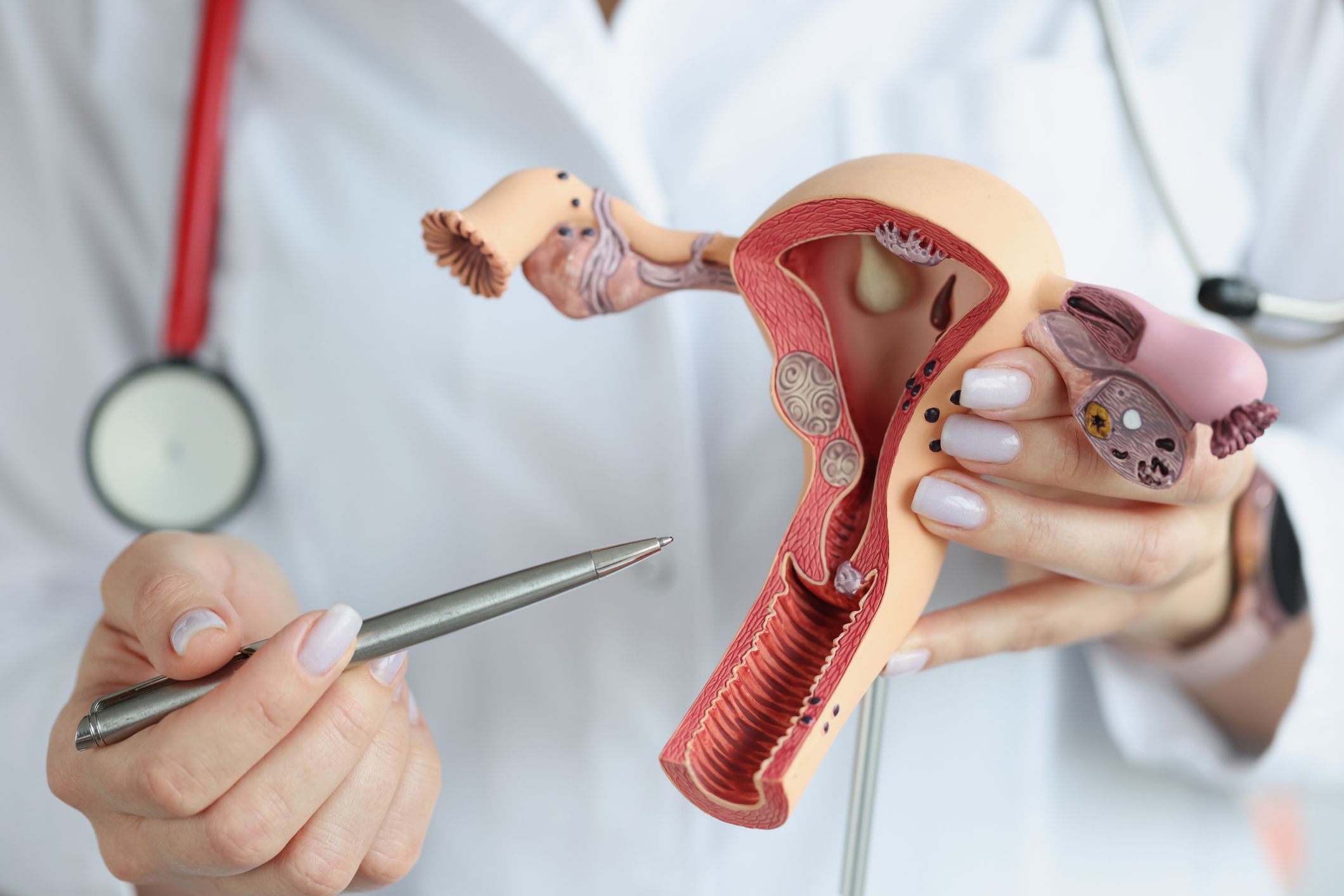
Adenomyosis is a condition of the uterus (womb).
If you have adenomyosis, the tissue that normally lines the inside of your uterus – known as endometrial tissue – is also found within the muscle wall of the uterus.
This tissue responds to your monthly menstrual cycle, just as it would inside the uterus. When this process happens within the uterine wall, it can cause inflammation and the uterus to enlarge, resulting in heavier or more painful periods. However, some women experience mild symptoms or no symptoms at all.

What Are the Symptoms of Adenomyosis?
Adenomyosis can cause a range of symptoms, including:
- Heavy periods
- Painful periods or cramps
- Pelvic discomfort or pressure
- Sometimes bloating or pain during sex
Because many of these are also common menstrual symptoms, many women do not realise that they have adenomyosis until they have a scan. In one clinical study of 31 women with adenomyosis1, over 50 different symptoms were reported - showing how the condition varies from person to person. The most common symptoms in the study included heavy periods (87%) and cramps (84%), but having these does not mean you have adenomyosis.
How Common is Adenomyosis?
Adenomyosis is less well-known than other conditions, but it is not rare. In a study of over 1,000 women referred for 3D ultrasound before starting fertility treatment, around 24% of patients were found to have signs of adenomyosis – with many of these new diagnoses.
The research also found that adenomyosis was much more common amongst women aged 40 and older, and in women with a history of recurrent miscarriage.
How is Adenomyosis Diagnosed?
Adenomyosis is typically diagnosed and confirmed through scans, either a transvaginal ultrasound (internal ultrasound) or an MRI if more detail is needed. It cannot be diagnosed through symptoms alone, as things like heavy or painful periods are common.
Many women are often only diagnosed during fertility investigations and referrals, even when they have had symptoms for many years.

How Does Adenomyosis Impact Fertility?
Adenomyosis may affect fertility for some women, but it does not affect everyone in the same way.
Natural conception
Researchers believe adenomyosis may affect fertility in some cases by changing how the uterus functions. This can include inflammation and changes in how the uterus responds during the menstrual cycle and early pregnancy.
These changes may make embryo implantation or early pregnancy more difficult. However, outcomes vary, and adenomyosis does not automatically prevent pregnancy.
Fertility treatment (IVF and other assisted treatments)
In women undergoing fertility treatment, adenomyosis has been associated in some studies with lower pregnancy rates or a higher chance of miscarriage. Other studies have found a more limited effect once factors such as age and other conditions are considered.
Your treatment will be carefully tailored based on key factors such as your age, medical history, and how adenomyosis affects you. Having adenomyosis does not mean fertility treatment will not work, but it may influence how your treatment is planned to ensure the best possible chance of pregnancy.
Treatments for Adenomyosis
There is no standard treatment for adenomyosis because it affects each person differently. For many women, treatment focuses on managing symptoms, especially heavy or painful periods.
Hormonal treatments are the most common first-line approach. These may include:
- Hormonal contraceptives
- Progestogen-based treatments
- Hormone-releasing IUDs
- Anti-inflammatory medications
These treatments aim to reduce bleeding and pain. They do not cure adenomyosis, but they can help to improve day-to-day symptoms.
There are also surgical options, depending on the severity of the condition and whether you plan to have a family in future. Your GP or Fertility Specialist will tailor treatment based on your symptoms and goals.
Getting Pregnant with Adenomyosis
Having adenomyosis does not mean you cannot get pregnant. Many women with adenomyosis successfully conceive, either naturally or with fertility treatment. The challenge is to manage the impact of adenomyosis whilst trying to conceive, or before having fertility treatment such as IVF.
Your Fertility Specialist may recommend hormonal medications to help prepare the uterus for pregnancy, or in some cases, a medication called a GnRH agonist for a short period of time to temporarily suppress your menstrual cycle and reduce the effects of adenomyosis.
If you have IVF treatment, it will be carefully planned to take into account the impact of adenomyosis on your uterus and how receptive it is to embryo implantation. Your Specialist may advise you to have a Frozen Embryo Transfer (FET), which is where embryos from your initial cycle are frozen and implanted at a later date, when uterine conditions can be precisely controlled. Some observational studies have shown higher live birth rates in women with adenomyosis who have a frozen embryo transfer compared to a fresh transfer.
More Help & Information
If you’re worried about possible adenomyosis symptoms or have been diagnosed, it’s reassuring to know that adenomyosis is manageable and that support and treatment are available to help you have a family when you are ready.
See your GP or book an appointment with an Adora Fertility Specialist at your nearest Adora clinic.
FAQs About Adenomyosis
Sources:
- PubMed: Experience of Symptoms and Disease Impact in Patients with Adenomyosis
https://pmc.ncbi.nlm.nih.gov/articles/PMC5948244/
- PubMed: Adenomyosis in infertile women: prevalence and the role of 3D ultrasound as a marker of severity of the disease
https://pmc.ncbi.nlm.nih.gov/articles/PMC5029059/
- Science Direct: Adenomyosis: The Missed Disease
https://www.sciencedirect.com/science/article/pii/S1472648325000446#bib0025
- PubMed: Current Medical Therapy for Adenomyosis
https://pmc.ncbi.nlm.nih.gov/articles/PMC10693526/
- PubMed: The "freeze-all" strategy seems to improve the chances of birth in adenomyosis-affected women