I am trying to conceive
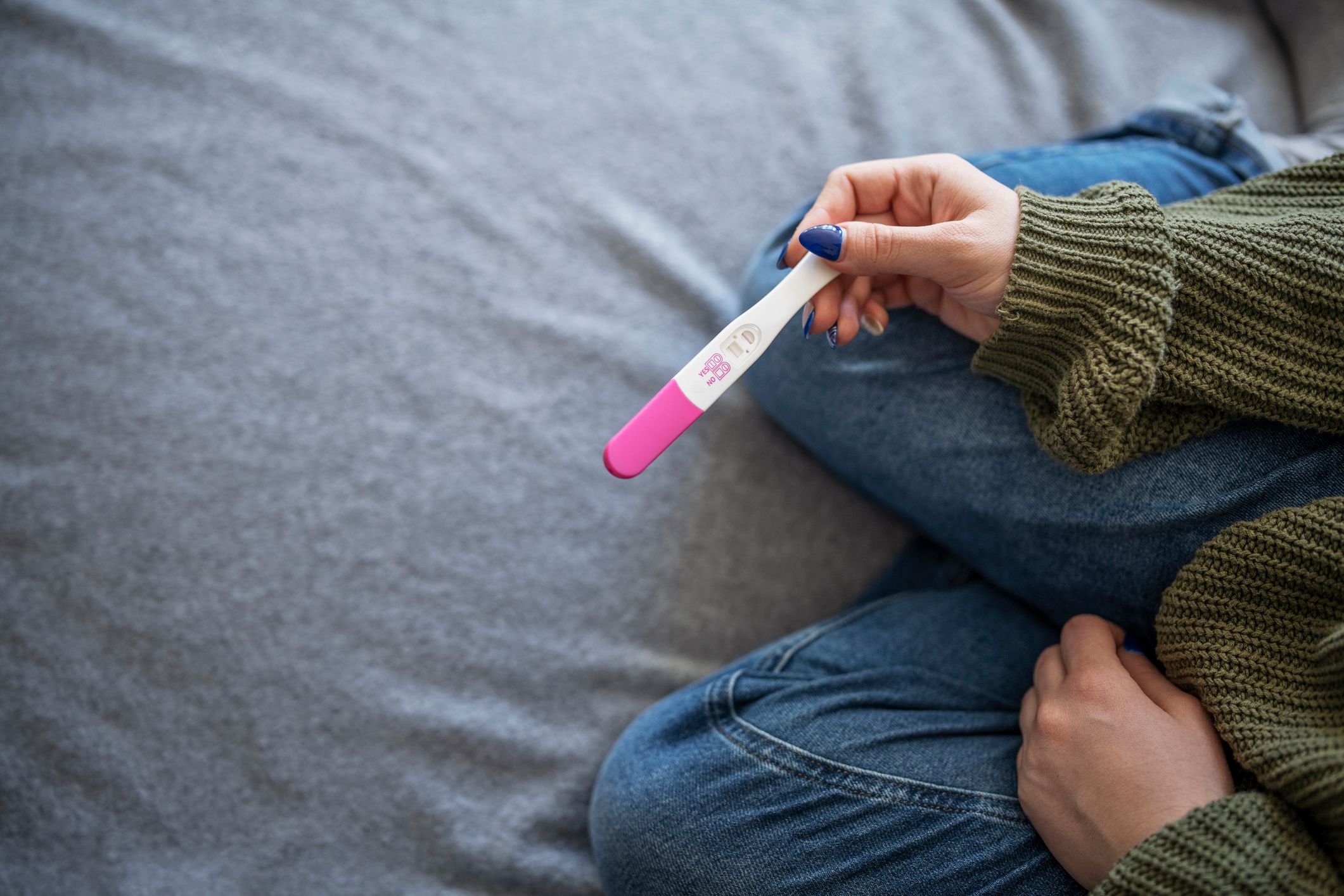
Starting a family can be an exciting time, however, it doesn’t always go to plan. In Australia, one in six couples experience difficulty falling pregnant at some stage in their family planning journey. Infertility can affect anyone. Overall, one-third of infertility cases are caused by female reproductive issues, one-third by male reproductive issues and the other third by combined or unknown factors.
It can be hard to know when to seek help with your family planning journey. If you are aged 35 years or over and have been trying to conceive for six months or more or are under 35 and have been trying for 12 months or more, without success, then it may be time to seek help. Infertility treatments play a crucial role in helping those facing challenges conceiving. Assisted reproductive technologies (ART) such as in-vitro fertilisation (IVF) have been helping people to have babies since the 1970s.

Infertility Causes
Age is one of the biggest factors affecting your ability to conceive. Women are most fertile in their 20s. Egg quality starts to decline at 35 years of age, over 38 years of age the chances of conceiving naturally are low and over 40 the chances are very low. For males, age can also have an impact on fertility, although it is not as marked as it is for women. Male sperm quality starts to decline at age 40 and there is a slight increase in some genetic conditions in the offspring of males aged over 50.
At Adora Fertility, we offer a range of fertility treatment options and treat many pre-existing conditions that can affect fertility.
Female Infertility
Try our Ovulation Calculator
Understanding when you ovulate is important if you're planning a pregnancy. Our ovulation calculator uses the date of your last period and the length of your menstrual cycle to estimate when you may release an egg and which days you’re most likely to conceive.
Male Infertility
Male infertility is any health issue in a male that lowers the chances of his ability to conceive. The most common causes of male infertility are usually related to the production of sperm, namely poor quality sperm, low sperm count or blockages in the tubes of the reproductive system. Damage to the testicles due to an injury or illness, ejaculation disorders and lifestyle factors are also common causes of infertility in males.
There are many reasons for infertility and just because you have one of the conditions listed here, it doesn’t mean you are infertile or unable to conceive.
The impact of lifestyle on fertility
There are a number of lifestyle factors that can have an impact on your fertility. Maximising your health and wellbeing is the first step to improving your overall chance of pregnancy. For both males and females, simple lifestyle changes shouldn’t be overlooked when it comes to improving your fertility and chance of conceiving.
Diet
A well-balanced diet is important. The Mediterranean type diet has been shown to be potentially good for fertility. Meals that include an adequate intake of good fats, fish, iron and fruits and vegetables are an excellent start. Diets that are high in saturated fats, simple sugars or alcohol can lead to reduced fertility in both males and females. In addition to a healthy diet, there are some vitamins and minerals that could give your fertility a boost. These include folic acid, anti-oxidants, vitamin B12 and omega- 3 fatty acids. Folic acid and iodine are recommended for women planning a pregnancy and throughout their pregnancy for proper development of their baby.
Weight
Weight is an important consideration. Women who are overweight or underweight can face difficulties conceiving, as weight can affect your ovulatory cycle. Being overweight may also increase the risk of miscarriage or increase the risk of obstetric complications. In men, obesity can lower sperm count by up to 50%. Overweight men are also more likely to suffer erectile dysfunction and have a higher rate of DNA fragmentation in sperm. Moderate exercise has clear benefits for health and wellbeing, and can also have a positive impact on fertility.
Smoking, Alcohol & Recreational Drugs
Smoking is toxic to the health of eggs and sperm and will lower the chance of conception. The best advice when it comes to smoking/vaping and other recreational drugs is to cut it out completely. Couples should minimise their alcohol intake to a very safe level or avoid altogether, and restrict their caffeine consumption to one normal coffee or equivalent per day.
Every individual and couple are unique, and every scenario is different. Sometimes, even with the healthiest of lifestyles and no pre-existing conditions, conception still proves difficult (known as unexplained infertility). So what is unexplained infertility? It is a diagnosis given to a couple who have been trying to conceive for a year or more (or 6 months if the female partner is over 35) without success, and after standard fertility tests there is still no known cause for their inability to conceive. Maximising your health and wellbeing is the first step to improving your overall chance of pregnancy.
Assessing your fertility
A fertility assessment is the first step towards understanding your fertility health. This includes a range of infertility tests which aim to identify any potential causes of infertility. A fertility assessment can be arranged through a GP. The most common tests for understanding your fertility are outlined below. For a full list of the tests required to get started at Adora, please contact us.
For Females
- Hormone Tests (potentially including a test of ovulation)
- Pelvic Ultrasound (including an antral follicle count)
- Ovarian Reserve (AMH) Blood Test
- Cervical Screening Test (CST)
- Infection and Antenatal Screening Tests
For Males
- Semen Analysis
- Infection Screening Tests

What to consider when trying to conceive
Trying to conceive? Download our completely free eBook for help navigating pre-conception health, knowing your menstrual cycle, and understanding what Assisted Reproductive Technologies involve.